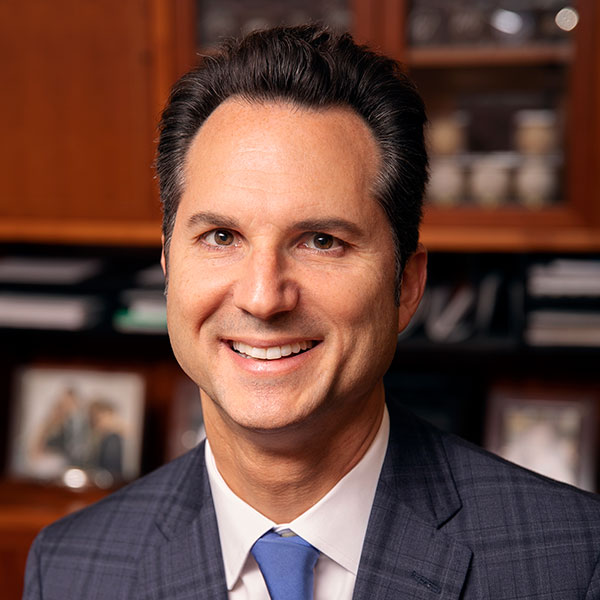
Jonathan D. Marks
Family Law Attorney

To be a Fellow of the American Academy of Matrimonial Lawyers means being elevated to the highest level of distinction and providing the highest quality of family law services you can find. Lawyers who have earned the right to be called a Fellow of the AAML have demonstrated unparalleled expertise and professionalism you would expect to experience from a lawyer of this caliber. AAML lawyers are recognized as the most qualified and excellent family lawyers in the United States.

Fellowship of the International Academy of Family Lawyers is by invitation only. The criteria to become a Fellow of the IAFL are rigorous, but achievable for those with significant expertise in their own jurisdiction and experience of international family law such as representing clients in extensive Hague Convention proceedings in the Federal District Court and Federal Court of Appeals.
Established in 1983, The Best Lawyers in AmericaⓇ has steadfastly committed to its rigorous peer-review process for over four decades. Despite significant expansion in scope and scale, the fundamental objective of showcasing America's premier legal professionals has remained unchanged. In its latest edition for 2024, Best Lawyers acknowledges attorney Jonathan Marks again, underscoring his prowess in trial and negotiation, proficiency in mediation and appellate practice, and unwavering dedication to consistently achieving favorable client outcomes.

Super Lawyer is a distinguished honor and title bestowed on attorneys nationwide with the highest standards and accomplishments in their specialties. A Super Lawyer has earned the respect of the public and their peers, as indicated by the title. In addition to receiving the admiration of their peers who nominated them for this award, they are recognized for having successfully represented their clients. They have done a super job of representing the legal profession, and this title is a reward for their dedication. Attorney Jonathan Marks is recognized as one of the top 50 legal professionals in the St. Louis area by Super Lawyers, an excellent honor speaking to his expertise and client devotion.

In 1887, Martindale-Hubbell created this peer-review system for fellow lawyers, where attorneys can be reviewed by other attorneys. Before you can receive a peer-review rating, you must first be evaluated for the “V” part of the rating. If you’re endorsed with a “V” (meaning “very high”), it means you’ve followed the professional rules of conduct and ethics. After this endorsement, you’re given an A, B, or C rating. AV Rating or AV Preeminent is the highest rating you can get in the peer-review process. If you receive an AV rating, it means you’ve been recognized for having high levels of integrity and skill.


How to Value a Small Business in a Divorce
Over thirty million small businesses currently operate in the United States, and many of these “mom and pop” shops end up the subject of divorce

How Divorce Impacts Your Taxes
Yes, it is that joyous time of year when we all must pay our federal and state income taxes, and for newly divorced persons, with or

8 Common Marital Home and Refinance Pitfalls in a Divorce
Today, we discuss eight common marital home and refinance pitfalls that can occur while trying to settle your divorce case. 1. Being off the deed